


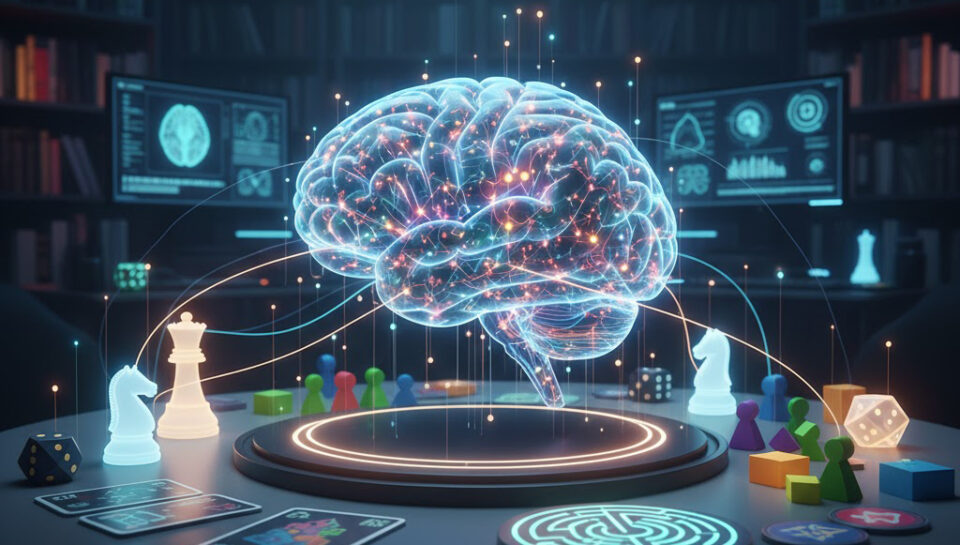
Brain Development Through Playing Board Games
Board games have long been a source of entertainment, providing hours of fun for friends and family. However, their benefits extend far beyond just enjoyment. Recent research has shown that playing board games can significantly contribute to brain development, enhancing cognitive abilities and social skills. In this blog post, we’ll explore the various ways board games can aid in brain development and why incorporating them into your routine can be beneficial for people of all ages.
1. Enhancing Cognitive Skills
Board games often require players to think critically and strategize, which can enhance various cognitive skills, including:
Problem-Solving
Many board games present challenges that require players to devise solutions. Whether it’s figuring out how to outsmart an opponent or determining the best move to achieve a goal, these scenarios encourage creative problem-solving.
Memory Improvement
Games that involve remembering rules, strategies, or the positions of pieces can improve memory skills. For example, games like Memory or Simon challenge players to recall information and develop their memory capacity.
Strategic Thinking
Games such as Chess or Settlers of Catan require players to think several steps ahead. This fosters strategic thinking, helping players analyze situations and plan their actions accordingly.
2. Boosting Social Skills
Playing board games often involves multiple players, creating opportunities for social interaction. This interaction can lead to the development of important social skills, including:
Communication
Many games require players to communicate effectively to strategize or negotiate. This interaction helps improve verbal and non-verbal communication skills, which are essential for building relationships.
Teamwork and Collaboration
Cooperative games like Pandemic require players to work together to achieve a common goal. This fosters teamwork, teaching players how to collaborate and support each other.
Emotional Intelligence
Playing games can evoke various emotions, allowing players to practice empathy and understand different perspectives. Learning to manage emotions during competitive gameplay can lead to greater emotional intelligence.
3. Fostering Creativity
Many board games encourage creative thinking and imaginative play. Games that allow players to create their own paths or develop stories, such as Dungeons & Dragons or Gloom, can stimulate creativity and inspire innovative thinking.
Encouraging Imagination
Role-playing games and storytelling games encourage players to immerse themselves in different characters and scenarios. This not only boosts creativity but also allows players to explore various narrative possibilities.
Innovation in Strategy
Games that require players to develop unique strategies, like Ticket to Ride or Carcassonne, inspire innovative thinking and adaptability as players learn to adjust their plans based on the actions of others.
4. Developing Math and Literacy Skills
Many board games incorporate math and literacy components, making them effective tools for learning.
Mathematical Skills
Games that involve counting, probability, and strategy can improve mathematical skills. For example, Monopoly teaches players about money management and basic arithmetic through transactions and property management.
Literacy Development
Word games like Scrabble and Boggle enhance vocabulary and spelling skills. These games encourage players to think critically about word formation and usage, making them valuable tools for literacy development.
5. Benefits for Different Age Groups
The cognitive benefits of board games extend across all age groups, making them a valuable addition to family activities.
For Children
Board games can enhance early cognitive development in children, improving critical thinking, social skills, and emotional regulation. Educational games can also make learning fun and interactive.
For Adults
Playing board games can help adults maintain cognitive function, offering mental stimulation and social interaction. Engaging in strategic gameplay can also serve as a great stress reliever.
For Seniors
For older adults, board games can provide an excellent way to keep the mind sharp. Research has shown that engaging in mentally stimulating activities can help reduce the risk of cognitive decline and memory loss.
Conclusion
Board games offer much more than entertainment; they serve as powerful tools for brain development and cognitive enhancement. From improving problem-solving and memory skills to fostering social interactions and creativity, the benefits of playing board games are profound and far-reaching. Whether you’re a parent looking to enrich your child’s development or an adult seeking to sharpen your own skills, incorporating board games into your routine can be a fun and effective way to promote brain health at any age. So gather your friends and family, and enjoy the countless benefits of board gaming together!