

Choosing the Right Board Game Pieces: A Guide for Gamers
Board games have captivated players for centuries, offering a blend of strategy, chance, and social interaction. One of the most intriguing aspects of board games is the variety of game pieces used to represent players, actions, and resources. Choosing the right pieces can enhance gameplay, provide a more immersive experience, and even reflect the theme of the game. In this blog post, we’ll explore different types of board game pieces and offer tips on how to choose them wisely.
Types of Board Game Pieces
1. Player Tokens
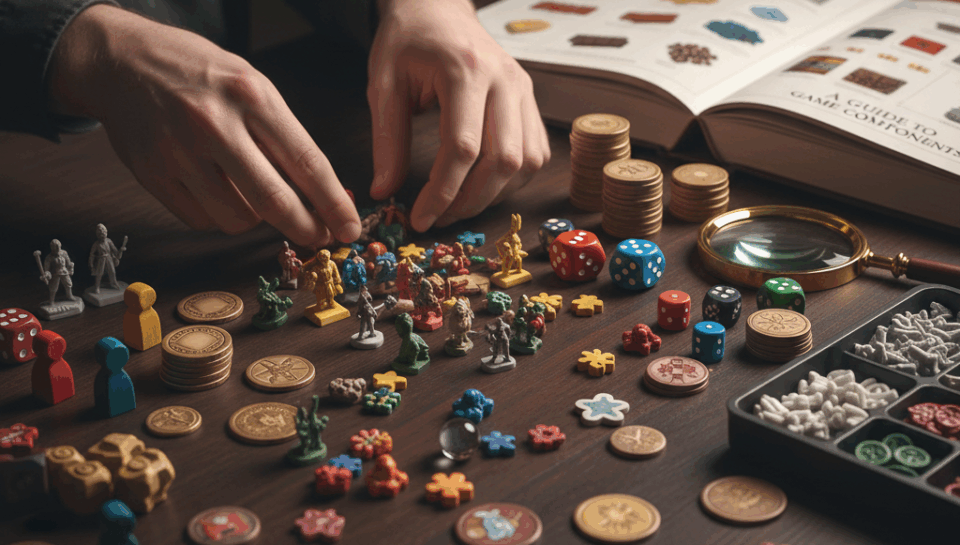
Player tokens are typically used to represent players on the board. They can come in various shapes, sizes, and materials, such as plastic, wood, or metal. When selecting player tokens, consider:
- Theme: Choose tokens that align with the game’s theme. For example, fantasy games may feature knights, dragons, or magical artifacts.
- Size and Weight: Ensure that tokens are easy to handle and move on the board. Heavier tokens can be more satisfying to use but may require a sturdy game board.
2. Resource Tokens
Many board games require players to manage resources, such as money, food, or materials. Resource tokens can vary widely in design, from simple cardboard chips to elaborate plastic tokens. When choosing resource tokens, keep these factors in mind:
- Clarity: Tokens should clearly indicate their value or type. Consider using different shapes or colors to distinguish between resources easily.
- Durability: Opt for tokens made from sturdy materials, especially if the game will see frequent use.
3. Dice
Dice are a staple in many board games, adding an element of chance and unpredictability. There are various types of dice, including standard six-sided dice, polyhedral dice, and custom dice. When selecting dice, consider:
- Type: Choose the type of dice that fits the game mechanics. For instance, role-playing games may require a full set of polyhedral dice, while classic board games typically use standard dice.
- Aesthetics: Many gamers appreciate unique or themed dice. Look for designs that resonate with the game’s atmosphere.
4. Cards
While not strictly a game piece, cards play a crucial role in many board games. They can represent actions, events, or items. When choosing cards, think about:
- Readability: Ensure that the text and illustrations are clear and easy to read. Players should be able to quickly understand the card’s effects.
- Art Style: The artwork on the cards should align with the overall theme and tone of the game, enhancing the immersive experience.
5. Boards
The game board itself is also a crucial piece of the puzzle. A well-designed board can enhance gameplay and set the tone for the entire experience. When selecting a board, consider:
- Layout: The layout should be intuitive, allowing players to easily navigate the game. Look for clear paths, zones, or areas for specific actions.
- Material: Boards can be made from cardboard, wood, or even fabric. Choose a material that feels sturdy and is easy to handle.
Tips for Choosing Game Pieces
- Consider the Game’s Theme: When selecting pieces, always keep the game’s theme in mind. The right pieces will enhance immersion and make the gameplay experience more enjoyable.
- Test for Comfort and Usability: Before finalizing your choice, try out the pieces. Make sure they are comfortable to hold and easy to use during gameplay. This will help prevent frustration and ensure a smooth experience.
- Think About Customization: Many modern games offer customizable pieces, allowing players to choose their tokens, resources, or even game boards. Embrace this opportunity to personalize your gaming experience.
- Pay Attention to Quality: Invest in high-quality pieces that will withstand repeated use. This is especially important for games you plan to play frequently. Durable materials will save you money in the long run.
- Get Feedback: If you’re playing with friends or family, ask for their input on the pieces. Gathering different perspectives can lead to a better overall gaming experience.
Conclusion
Choosing the right board game pieces is essential for creating an engaging and enjoyable gaming experience. By considering factors such as theme, usability, and quality, you can enhance your game nights and make lasting memories. Whether you’re a seasoned gamer or just starting, understanding the importance of game pieces will elevate your love for board games to new heights. Happy gaming!